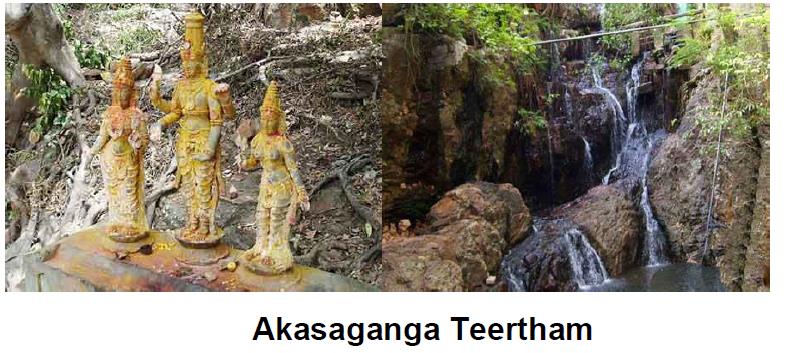
Tirumala Nambi’s devotion and service to Lord Venkateswara exemplify the essence of bhakti (devotion) in Hinduism. His commitment to fetching water from Pushkarini for the Lord’s abhisheka, despite his age and the challenges of the forest, symbolizes his unwavering dedication. It’s remarkable how he undertook this task daily, embodying the spirit of selfless service.
The relationship between Tirumala Nambi and Sri Ramanujacharya adds another layer of significance to his story. As Ramanujacharya’s maternal uncle and guru, Tirumala Nambi played a pivotal role in shaping Ramanujacharya’s spiritual journey. Introducing him to the Ramayana and elucidating the concept of sharanagati (surrender) underscores his role as a mentor and guide.
The Lord’s recognition and blessings for Tirumala Nambi’s seva highlight the divine reciprocity often emphasized in Hindu devotion. Through his dedicated service, Tirumala Nambi not only expressed his love for the deity but also received divine grace in return. This narrative serves as an inspiration for devotees, emphasizing the power of unwavering faith and selfless service in fostering a deep connection with the divine.

The encounter between Tirumala Nambi and the hunter-boy, who was Lord Venkateswara in disguise, adds a fascinating dimension to the narrative. It underscores the theme of divine play (Leela) and the testing of devotees’ faith.
Nambi’s response reflects his unwavering commitment to his seva (service) and his understanding of its importance. Despite the charm and apparent need of the boy, Nambi prioritizes his duty to the Lord and expresses his concern about any interruption to his service. His refusal to provide water stems from his dedication to his daily ritual and his awareness of the consequences of deviating from it.
The Lord’s decision to test Nambi in this manner reveals his playful and compassionate nature. By assuming the guise of a thirsty boy, he offers Nambi an opportunity to demonstrate his devotion and resolve. It’s a test of faith and commitment, where Nambi’s steadfastness in his duty is put to the challenge.
This episode serves as a reminder of the Lord’s presence in various forms and his involvement in the lives of his devotees. It reinforces the idea that devotion is not merely a one-way street but a dynamic interaction between the devotee and the divine, filled with tests, blessings, and lessons.
The transformation of the hunter-boy into Lord Venkateswara and the manifestation of Akasha Ganga as a result of their encounter beautifully encapsulates the divine intervention in response to the devotee’s steadfast devotion and need.
The shattering of the water pot and the subsequent revelation of the Akasha Ganga showcase the Lord’s ability to provide solutions to his devotees’ challenges in unexpected and miraculous ways. This incident demonstrates how the Lord not only tests his devotees but also rewards them with his divine grace and assistance.
For Tirumala Nambi, witnessing the miraculous manifestation of Akasha Ganga must have been a moment of profound realization and joy. It not only relieved him of the burden of fetching water from Pushkarini but also reaffirmed his faith in the Lord’s presence and benevolence.
The naming of the waterfall as Akasha Ganga and its consecration for the Lord’s abhisheka further sanctifies the site and adds to its spiritual significance. It becomes a symbol of the Lord’s divine intervention and his eternal bond with his devotees.This story serves as a powerful testament to the Lord’s compassion, his willingness to come to the aid of his devotees and the transformative power of unwavering faith and devotion

Tirumala Nambi’s legacy of devotion and service to Lord Venkateswara continued to flourish even beyond the miraculous incident of Akasha Ganga. His introduction of various forms of seva to the Lord, such as thomala seva, tirumanjanam, vedaparayanam, and mantrapushpa kainkaryam, enriched the worship rituals at the temple and earned him the esteemed title of “Acharya Purusha.”
The title “Thathacharya,” derived from the Lord’s endearing address to him as “that,” further highlights the intimate relationship between Tirumala Nambi and Lord Venkateswara. It signifies not only respect but also a familial connection between the devotee and the deity.
The privilege granted to the descendants of Tirumala Nambi to continue offering these sevas to Lord Venkateswara is a testament to the enduring impact of his devotion and service. It ensures that his legacy lives on through successive generations, keeping alive the traditions and rituals established by him for the Lord’s worship.
The story of Tirumala Nambi serves as an inspiration for devotees, highlighting the profound relationship between the devotee and the divine, as well as the transformative power of selfless service and unwavering faith.
Akasaganga Theertham is located at a distance of 3 km from the main temple
Related Articles
- Varaha Swamy Temple -Tirumala
- Sri Bedi Anjaneya Swamy – Tirumala
- Papavinasam Theertham -Tirumala
- Srivari Padalu – Tirumala
- Pushkarini – Tirumala
- Sri Venkateswara Museum – Tirumala
- Chakra Theertham – Tirumala
- Sila Thoranam – Tirumala
- Japali Theertham – Tirumala
- Venugopala Swamy Temple – Tirumala
- Gobarbha Theertham – Tirumala