Geographical Basis
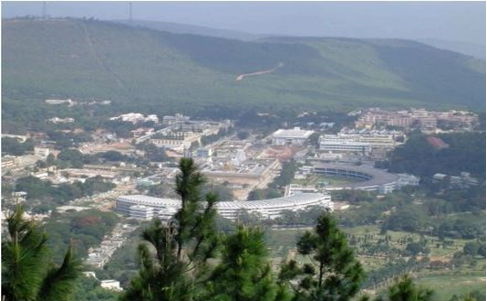
The Tirumala Hill is 3,200 ft above sea level and is about 10.33 sq. miles in area. The Tirumala range has seven principal peaks, each of them sacred and each bearing a separate name accounted for by a fable. The mightiest of the seven hills, the Seshachala with its seven elegant peaks resembles the seven hooded Adisesha in reality was the divine conch of Lord Narayana. It is said that the pilgrim town of Sri Kalahasti is deemed to be the mouth of Adisesha, while Ahobilam is its back, with Tirumala as its head and Srisailam believed as its tail.
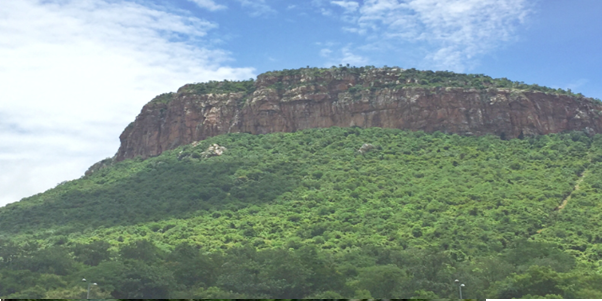
The sacred temple of Lod Sri Venkateswara Swamy is located on the seventh peak of Seshachalam. It is also called Venkatadri, Venkatachalam. Names of other peaks are Garudadri, Naraayanadri, Vrishabhadri, Anjaneyadri, and Neeladri.
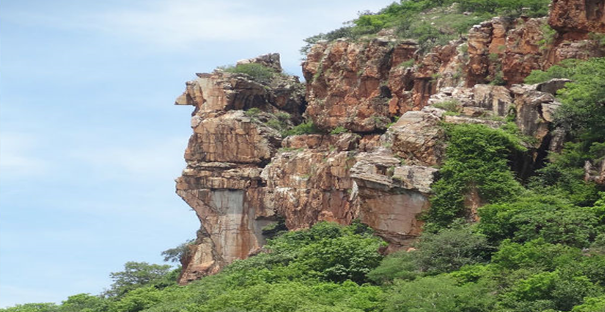
The geological composition of the Tirumala hills provides a fascinating insight into the ancient history of the region. The hills predominantly consist of sedimentary rocks, specifically quartzites with intercalated shales, which are collectively referred to as the Nagari Quartzite. These quartzites overlay the granites and gneisses that form the lower parts of the Tirumala hill ranges.
The geological formation of the Tirumala hills is part of a larger geological basin known as the Cuddapah basin, which is a significant depositional basin in the region. The basin’s basement, which serves as the foundation, dates back approximately 2.5 billion years, indicating the ancient origins of the geological processes in this area.
The sedimentary rocks within the Cuddapah basin, including the Nagari Quartzite, provide valuable insights into the region’s geological history. The oldest formations within the basin are estimated to be around 1.7 billion years old, with the Nagari quartzites slightly younger, at approximately 1.5 billion years old.
One notable feature of the geological history of the region is the Eparchaean Unconformity, which refers to the significant time gap between the formation of the basement rocks and the deposition of the overlying sedimentary rocks. This unconformity represents a period of geological time where there is a lack of sedimentary deposition, indicating potential tectonic activity or erosion processes.
The geological richness of the Tirumala hills adds another layer of significance to this sacred pilgrimage site, highlighting the deep connection between nature, spirituality, and the cultural heritage of the region


